The grey belt is a new planning policy introduced by the Labour government as part of their plans to increase the number of new homes being built. Its aim is to make it easier to secure planning permission for all types of development, but especially housing, on sites which are designated as green belt.
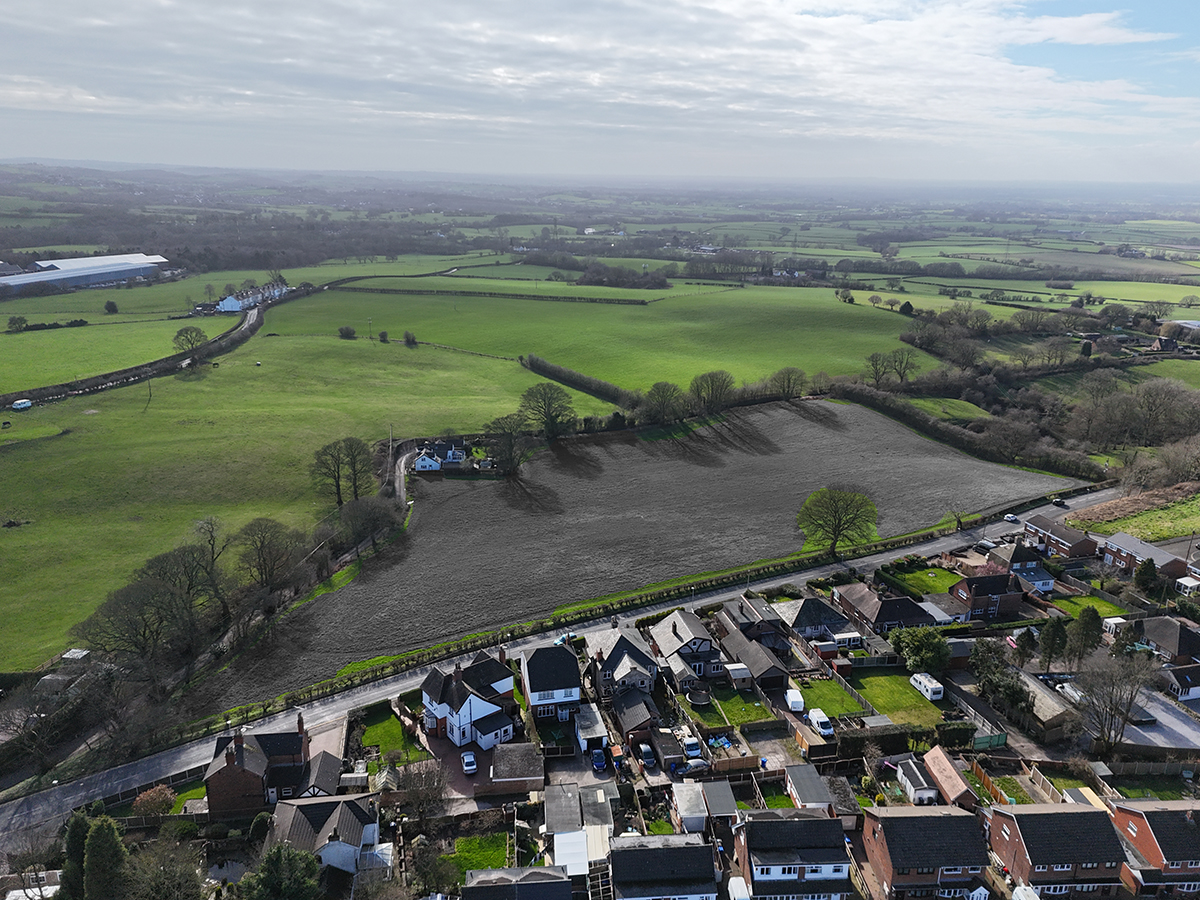
The green belt is a planning policy introduced in the 1950s as a way to stop our towns and cities sprawling out into the countryside. Not all towns and cities are surrounded by green belt land but many of them are - around 13% of England is designated as green belt.

A common misconception is that the green belt is an environmental policy - to protect landscape character or wildlife, for example. They form no part of its role however; there are other designations and planning policies which protect those features (like National Parks, National Landscapes, Local Nature Reserves and Sites of Special Scientific Interest). Instead, the role of the green belt is very narrow - to prevent the outward expansion or merging of settlements.
It has been very successful in achieving those aims. Rates of development in green belt areas are 80% lower than they would otherwise be, with house prices 20% higher as a result. Across England as a whole, the green belt increases house prices by 4%.
Before the introduction of grey belt policy, there were few ways large scale housing development could be permitted in green belt areas.
For planning applications, there were two main routes. One was to redevelop an existing brownfield site, provided the new development didn’t have a greater impact on the “openness” of the green belt - essentially limiting the new scheme to the same amount of built form as whatever it was replacing, and preventing building on sites likes car parks. The other was to demonstrate that there were “very special circumstances”- something very particular about that proposal on that site which couldn’t be delivered elsewhere. This was a very high bar indeed.
Alternatively, sites could be removed from the green belt and allocated for development in a new local development plan if the council could demonstrate that there were “exceptional circumstances” - another difficult test. This usually meant demonstrating there was no reasonable alternative way to meet development needs.
As a result of those restrictions, many local authorities which were heavily constrained by green belt were failing to deliver enough new homes. In some cases, councils knew they could continue to refuse planning applications regardless of how poor housing delivery became, removing any incentive to identify their own preferred development sites in a new local plan. Grey belt policy is intended to address that.
Grey belt policy sets out a series of criteria for identifying the poorest quality parts of the green belt. This is focussed on three of the five official green belt functions:
Where sites don’t make a strong contribution to those three purposes - and aren’t covered by another designation specifically protecting sites of particular importance for other purposes including wildlife, landscape or heritage - they are considered to be grey belt land.
There is extensive planning guidance to help make that judgement. In particular, the guidance notes that the functions of green belt refer to “large built-up areas” and “towns”. As a result, green belt sites on the edge of villages can’t be considered to make strong contribution to the green belt purposes and must therefore be grey belt as a result.
Identifying a site as grey belt isn’t the end of the story, however. Planning permission can still only be granted if a number of other criteria are met.
Firstly, sites must be in a sustainable location, with good access to services and facilities especially without having to rely on the car. That means having a convenience store, primary school and bus stops nearby.
Development proposals must also meet the “golden rules” for grey belt development.
These require:
Finally, to secure planning permission on a grey belt site there must also be a “demonstrable unmet need” for the type of development proposed. When councils are preparing a new local plan, that could simply mean they can’t meet their development needs without the site. That’s not very different to the previous “exceptional circumstances” test.
Where this requirement has the biggest impact is for immediate planning applications. If a council cannot demonstrate that they have enough development land available to meet their housing needs in the short-term - defined as the next five years in planning policy - that is sufficient to allow applications to be approved. This is a significant change to the previous position where the green belt status of a site was enough to trump any shortage of housing land and would result in planning applications being refused.
Grey belt offers a significant opportunity for landowners. An immediate planning application might suddenly be a sensible course of action on sites where it wasn’t previously considered appropriate. A large number of applications like this have already been submitted and are being approved locally by planning committees and by planning inspectors at appeal. The possibility of applications like this has also spurred local councils into action, working to prepare new local plans where previously they have tried to avoid doing so.
At The Strategic Land Group, we have almost 20 years experience of helping landowners secure planning permission for new homes on sites in the green belt and in open countryside. If you think we could help with your site, get in touch today for a free, no obligation review of your land's development potential.


.jpg)