Permission in Principle (usually shortened to "PiP") is an under-used tool for securing planning permission for new homes - and it could be right for your site.
The cost associated with a traditional planning application can be very high which, combined with the unpredictability of the outcome, means planning applications often don't make sense on smaller sites.
By focussing simply on the principle of building new homes on a piece of land - and without getting bogged design in technical issues and detailed layout design - Permission in Principle is intended to provide a simpler, more cost effective route to secure consent for developing your land. The more complicated, expensive work of gaining approval for the detailed design can then take place safe in the knowledge that the council have already agreed that new homes are acceptable on your land.
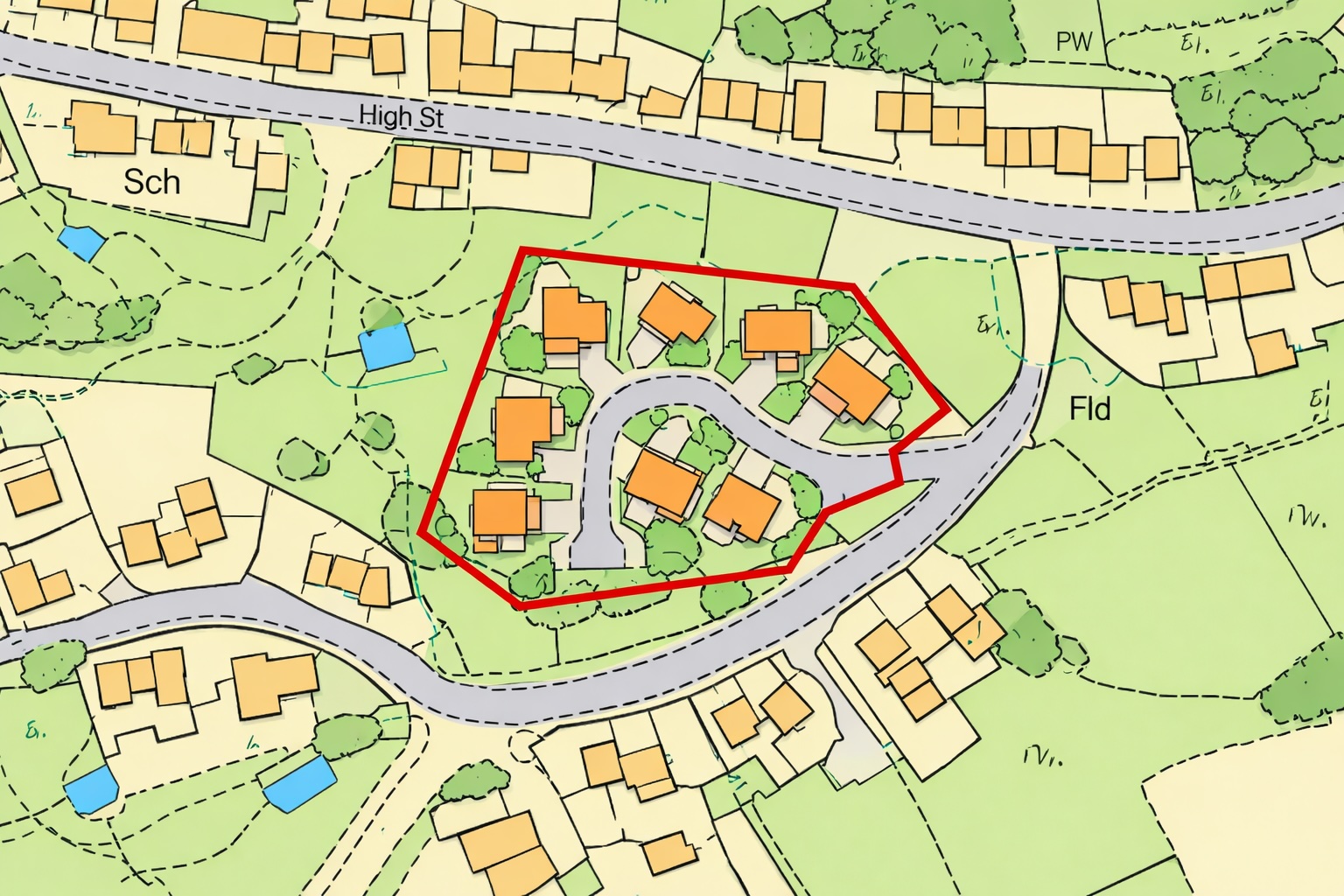
PiP applications must be small - they can only be made for new homes on sites which are under one hectare or are for nine homes or less. That could, though, be a smaller part of a larger land ownership (and which could act as a springboard to more development further down the line).
To reflect their smaller stature, PiPs are far less onerous than other routes to securing planning permission. All that needs to be considered are ‘in principle’ matters, such as whether the location is suitable for new homes and the number that there will be. More detailed matters such as what the homes will look like, the site layout, how the site will be drained, or what landscaping is needed aren't taken into account into a later "Technical Details" approval.
That ensures the planning process is focussed solely on the "principle" of development on your site - the most important part of the planning process and, in many ways, the hardest hurdle to overcome. It is often where proposed schemes stand or fall, especially those located on the edge of existing settlements.
The simplicity of the applications mean PiPs can be much quicker than other routes to planning permission, with a target for them to be decided within just five weeks. This makes them the fastest possible mechanism in the planning system to determine if your site works for housing development.
While speed is important, they have an even bigger benefit - by establishing that the principe of housing development is acceptable, they increase the value of your land. Rather than being able to sell the land for its existing, agricultural value - or maybe a little bit more to reflect the hope that planning permission could be secured - using a PiP to remove planning risk means home builders will be prepared to buy the land for its development value.
This makes them an especially useful route for sites where the acceptability of the principle of development might not be obvious. For example, perhaps the land is an agricultural field on the edge of an existing town or village where planning permission might otherwise be refused.
Unlike many land promoters, The Strategic Land Group has experience of dealing with Permission in Principle applications on smaller sites. We can prepare the application for you and carefully structure the planning argument to give the application the best possible chance of success. If permission is granted, we'll even help you find a developer to buy the site. We would cover all the costs of preparing the application, including paying the application fee to the council, and shoulder the risk if things go wrong. Our fee would be a share in the value of the site once it is sold, so if we don't succeed, you won't need to pay us a thing.
If you know of a small site that could benefit from this approach, please get in touch for a free, no obligation appraisal of the site's planning potential.
And don't forget we work on much bigger sites too! You can find more information on how we can help with larger sites here.


.jpg)
.jpg)